
For centuries, the name of Belshazzar, king of Babylon, had not been found in any sources outside of the book of Daniel, leading many skeptics to label him a myth. Then, in 1854, archaeologists discovered an ancient Babylonian text.
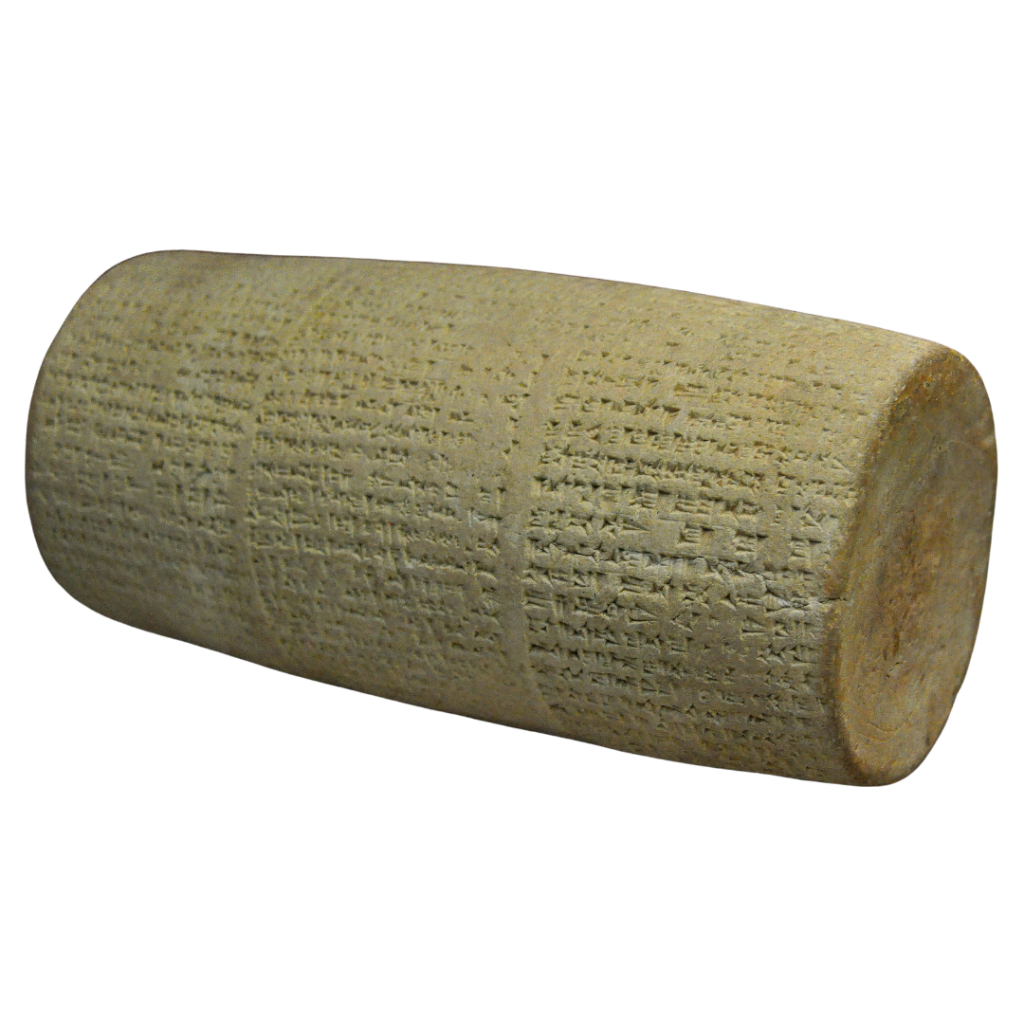
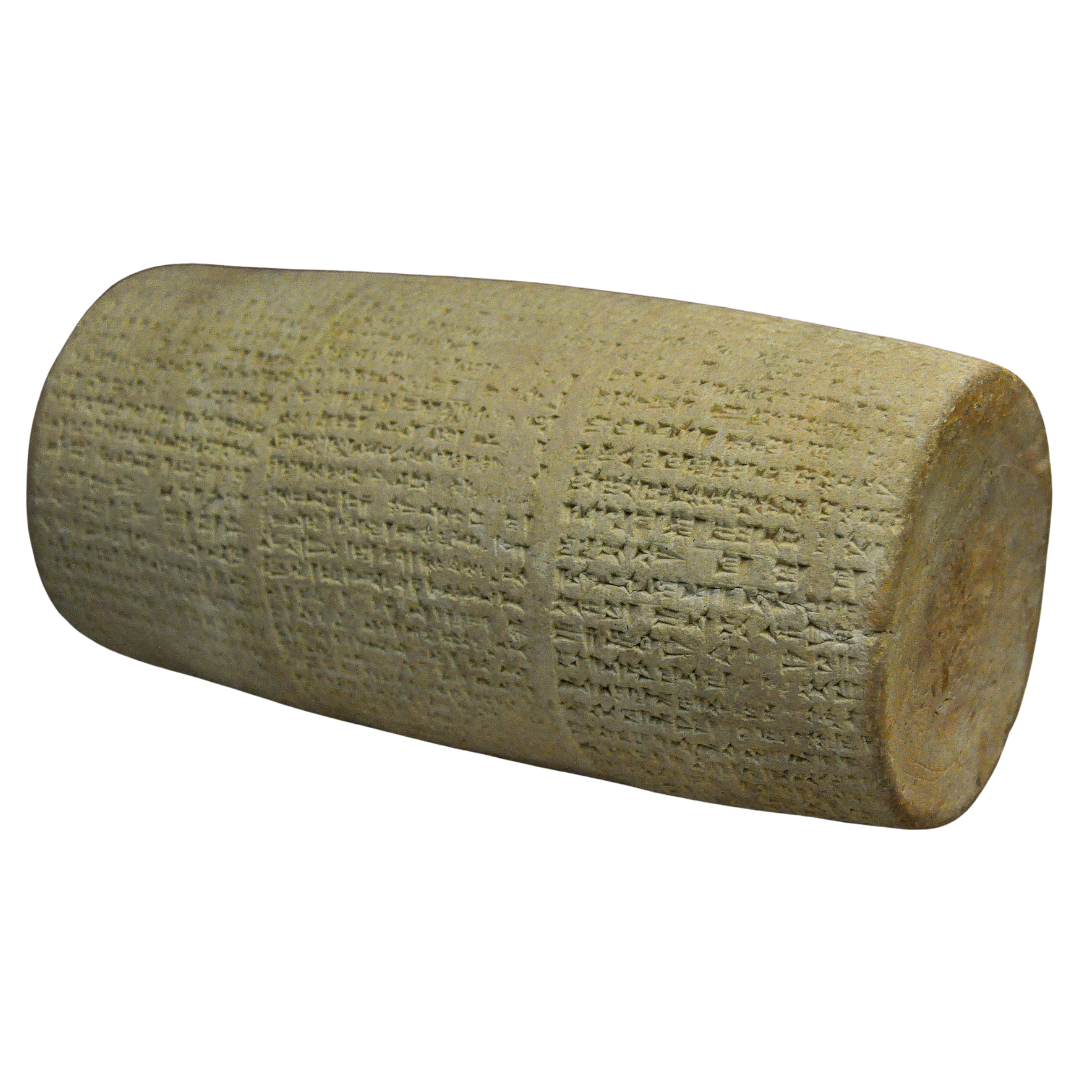
In about 550 BC, Nabonidus, king of Babylon, had placed four identical cylinders beneath the four foundation stones of a temple in Ur of southern Mesopotamia. (“Ur of the Chaldees,” as the Bible often calls it.) These cylinders were discovered and successfully excavated from the temple of the moon god Sin in Ur. The Cylinder of Nabonidus, king of Babylon (as it became known) contains a 62-line cuneiform inscription in two columns. Part of the text records an appeal to the moon god Sin and asks that,
“for me, Nabonidus, king of Babylon, save me from sinning against your great godhead and grant me as a present a life long of days, and as for Belshazzar my first-born son, my own child, let the fear of your great divinity be in his heart, and may he commit no sin; may he enjoy happiness in life.”
While the Nabonidus Cylinder from Ur primarily focuses on repairs made to a ziggurat for the moon god, the document also specifies that the eldest son of the Babylonian king Nabonidus was named Belshazzar.
Historical Side Note #1:
The book of Daniel mentions Nebuchadnezzar and his grandson Belshazzar. Why not Nabonidus?
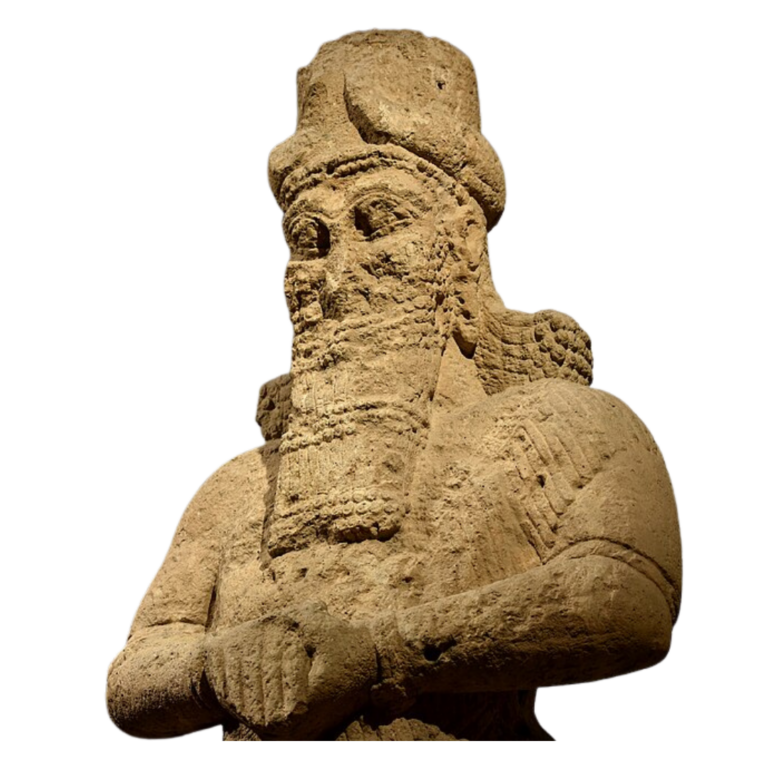
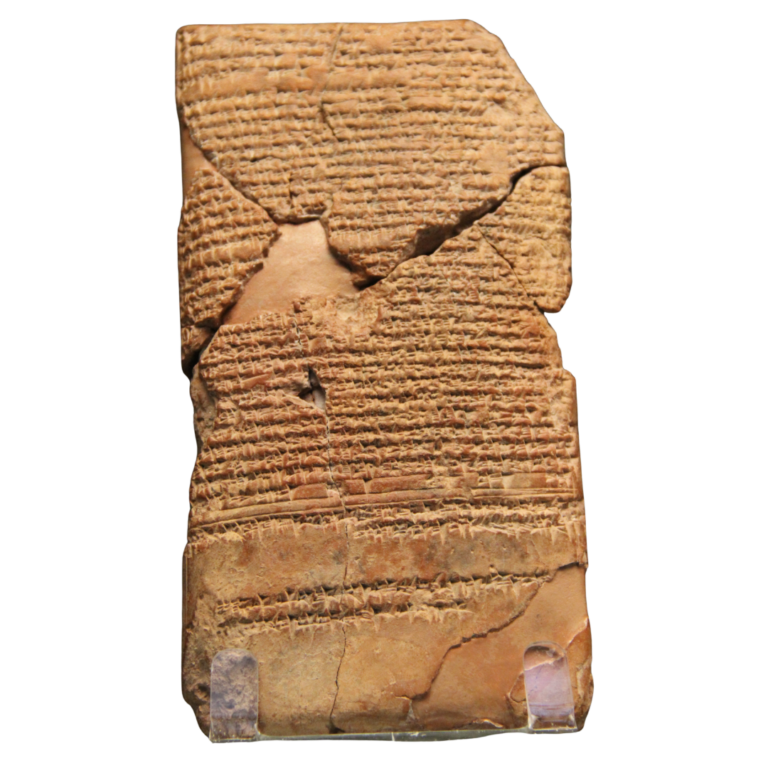
Another cuneiform text called the Verse Account of Nabonidus, found at Babylon, states that Nabonidus left Babylon on a long journey and entrusted the kingship to his firstborn son, whom we know to be Belshazzar. The Nabonidus Chronicle states several times that King Nabonidus was not in Babylon, but that the “prince” (Belshazzar) was there. Nabonidus was the final Babylonian king, ostensibly in power until the Persians conquered Babylon in about 539 BC. However, from his behavior it seems obvious that he had little interest in ruling Babylon or managing typical affairs of state.
Historical Side Note #2
When one examines the evidence from all of the afore-mentioned Babylonian documents, they shed a great deal of light on the reign of Nabonidus, including his departure from the capital, and his appointment of his firstborn son, Belshazzar, as coregent to rule as king in Babylon in his absence. These documents bring clarity to two important issues:
- They confirm the existence of Belshazzar and his position as king of Babylon until the Persians captured the city;
- They explain why Belshazzar would only be able to grant third place in the kingdom to anyone who interpreted the handwriting on the wall (Daniel 5: 1-6). Belshazzar’s father Nabonidus was first in the kingdom and Belshazzar was second.
Summary
These specific details about Belshazzar in the book of Daniel are confirmed by ancient Babylonian sources. Furthermore, they demonstrate the exceptional accuracy of the book of Daniel about political matters in Babylon during the 6th century BC, including details that were forgotten in the following generations.