
The book of Daniel: 1) relates that Babylon was conquered, 2) records that Belshazzar was slain, and 3) states that a Median general, Darius took rulership of the city. Yet there is no mention about a battle for the city, nor yet why a Median general, not the Persian king Cyrus the Great, ruled the city of Babylon. Puzzling, to say the least.
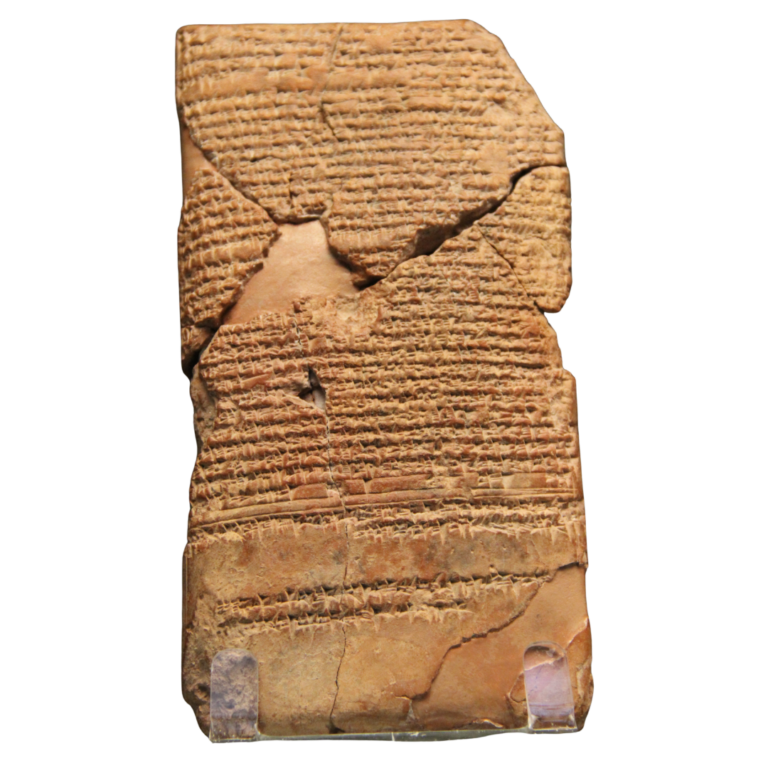
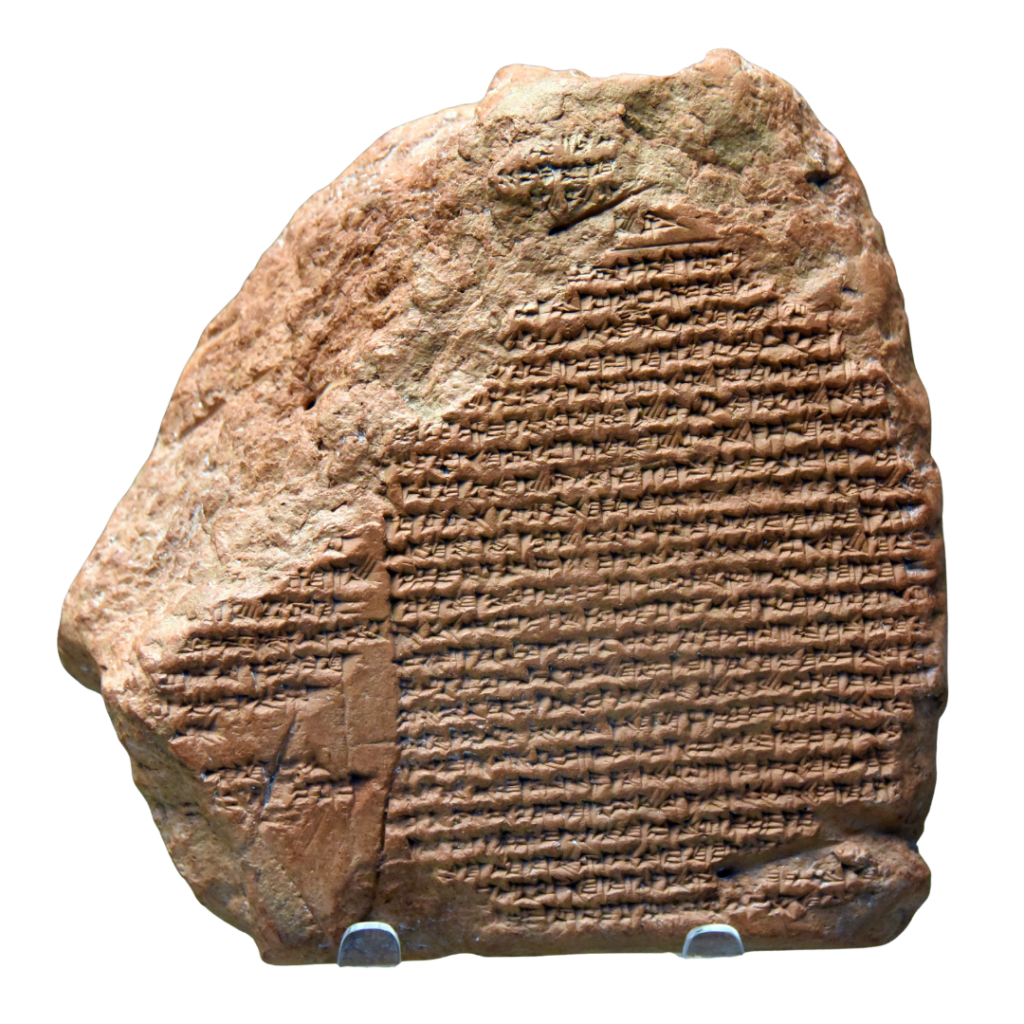
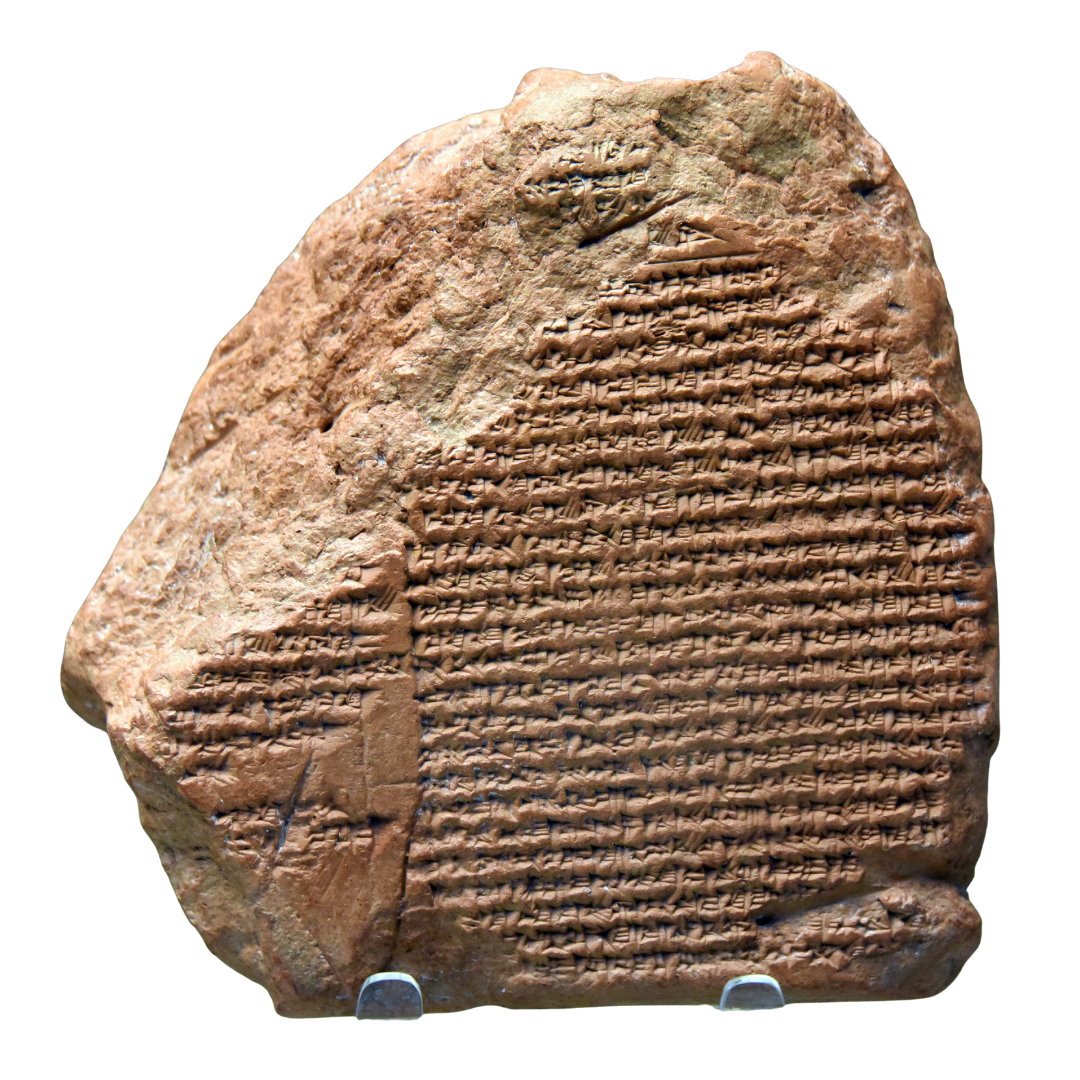
A cuneiform document called the Nabonidus Chronicle, written on a clay tablet, helps clarify. The Nabonidus Chronicle corroborates the book of Daniel, confirming that there was no battle for the city of Babylon, and it makes clear that Cyrus the Great, King of Persia, was not leading the army that captured Babylon in 539 BC. This document confirms Daniel’s assertion that Darius, a general from Media, led the Persian army unopposed into Babylon and subsequently ruled the city as a governor.
The original text was almost certainly written during the reign of Darius in the late 6th century BC, but the surviving copy seems to date to the 4th century BC. It clearly asserts that the army of Cyrus — although not Cyrus himself — entered Babylon without a battle. Afterwards, the absent Nabonidus was arrested in Babylon when he returned there. The Chronicle goes on to say that only later did Cyrus enter Babylon, “…where green twigs were spread in front of him” as a symbol of victory.
Darius the Mede is a rather mysterious figure, but the Nabonidus Chronicle and related cuneiform documents go a long way toward illuminating the issue. The Chronicle asserts that the 62-year-old general from Media who led the army into Babylon also served a short tenure of no more than four years in Babylon before dying. (In ancient times, 62 years was beyond the typical life expectancy, so it would not be surprising for Darius to have lived for only a few more years.)
Other cuneiform documents attest to another Persian official who ruled for ten years as the governor of Babylon from about 535-525 BC.
Another ancient record, the Cyropaedia by the Greek historian Xenophon, agrees that the Persian army entered Babylon without a battle, but it also provides additional information. It says that the Persians diverted the Euphrates River to more easily infiltrate the city. It also mentions that the acting king (who would have been Belshazzar) was killed after the Persians took the city.
Summary
Multiple ancient documents agree with the narrative in the book of Daniel concerning: 1) the fall of Babylon to the Persians 2) without a battle, and 3) the slaying of the acting king in Babylon.