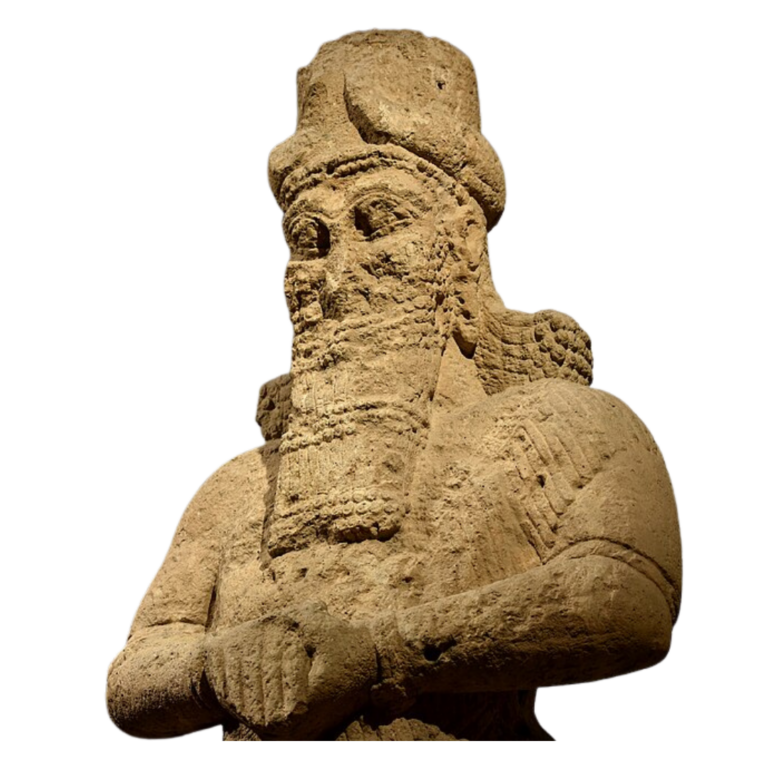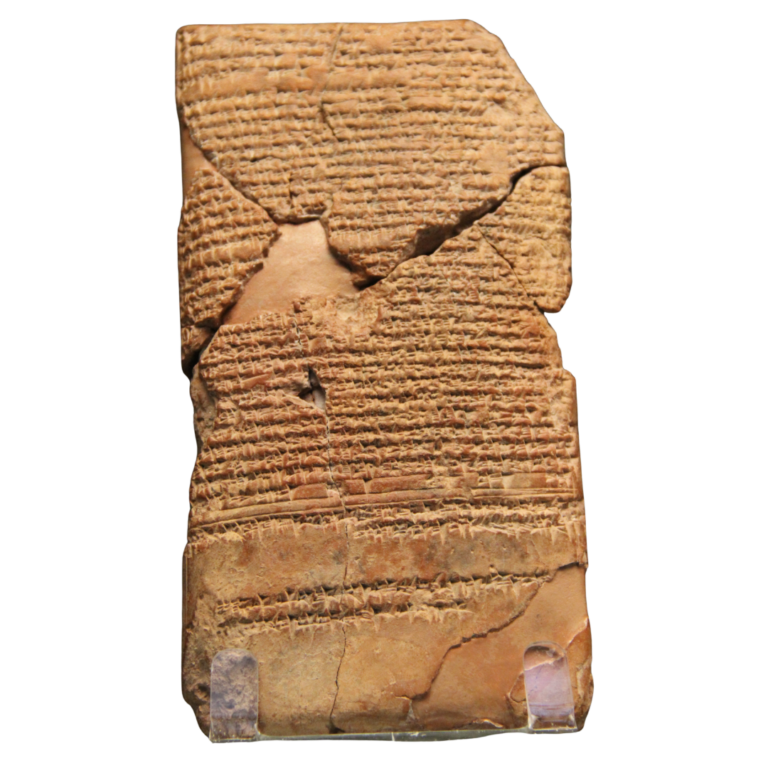

Quirinius was a successful and trusted Roman bureaucrat, a powerful official often entrusted with efficiently carrying out various campaigns on behalf of the emperor. Although Quirinius is mentioned in only one sentence in the book of Luke, where he is named in connection to the census taken at the time of the birth of Jesus, that verse has come under a great deal of scrutiny. He is mentioned as serving as a “ruler” in Syria Province.
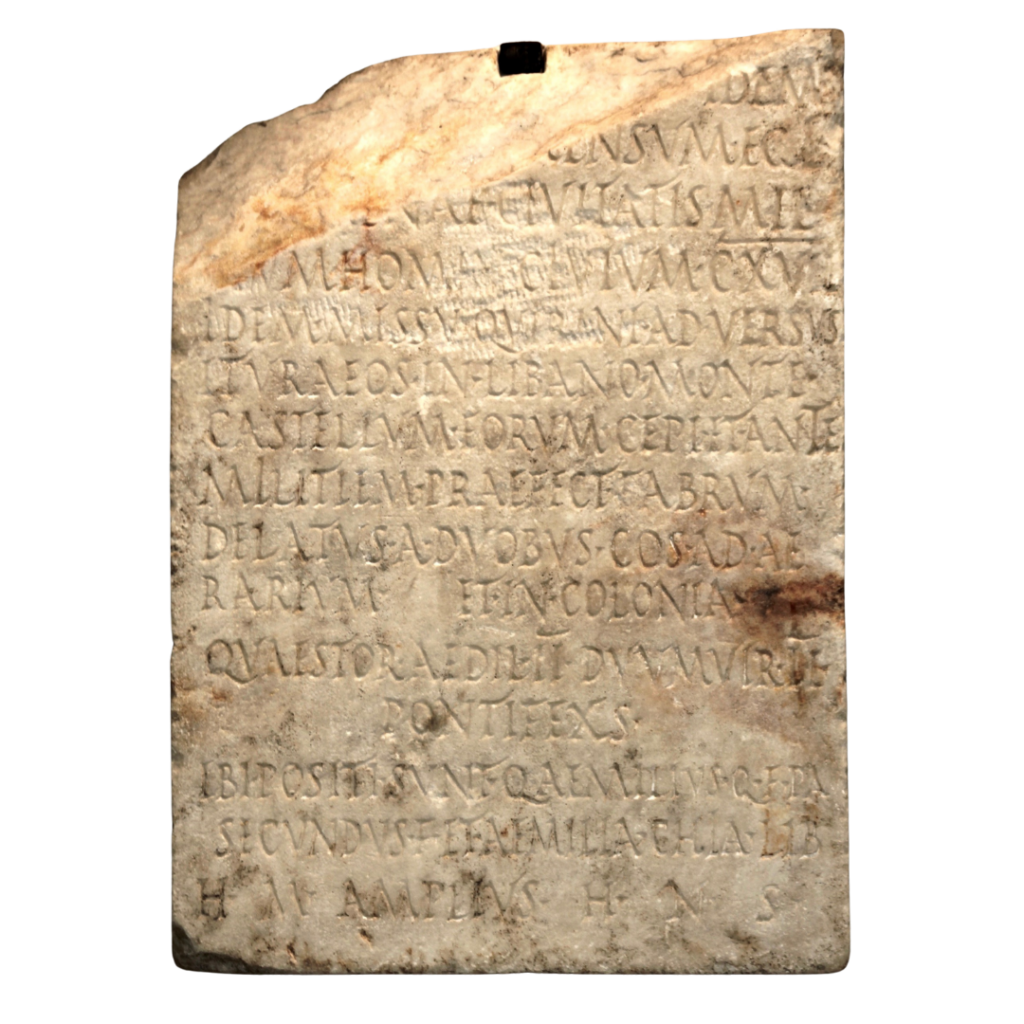
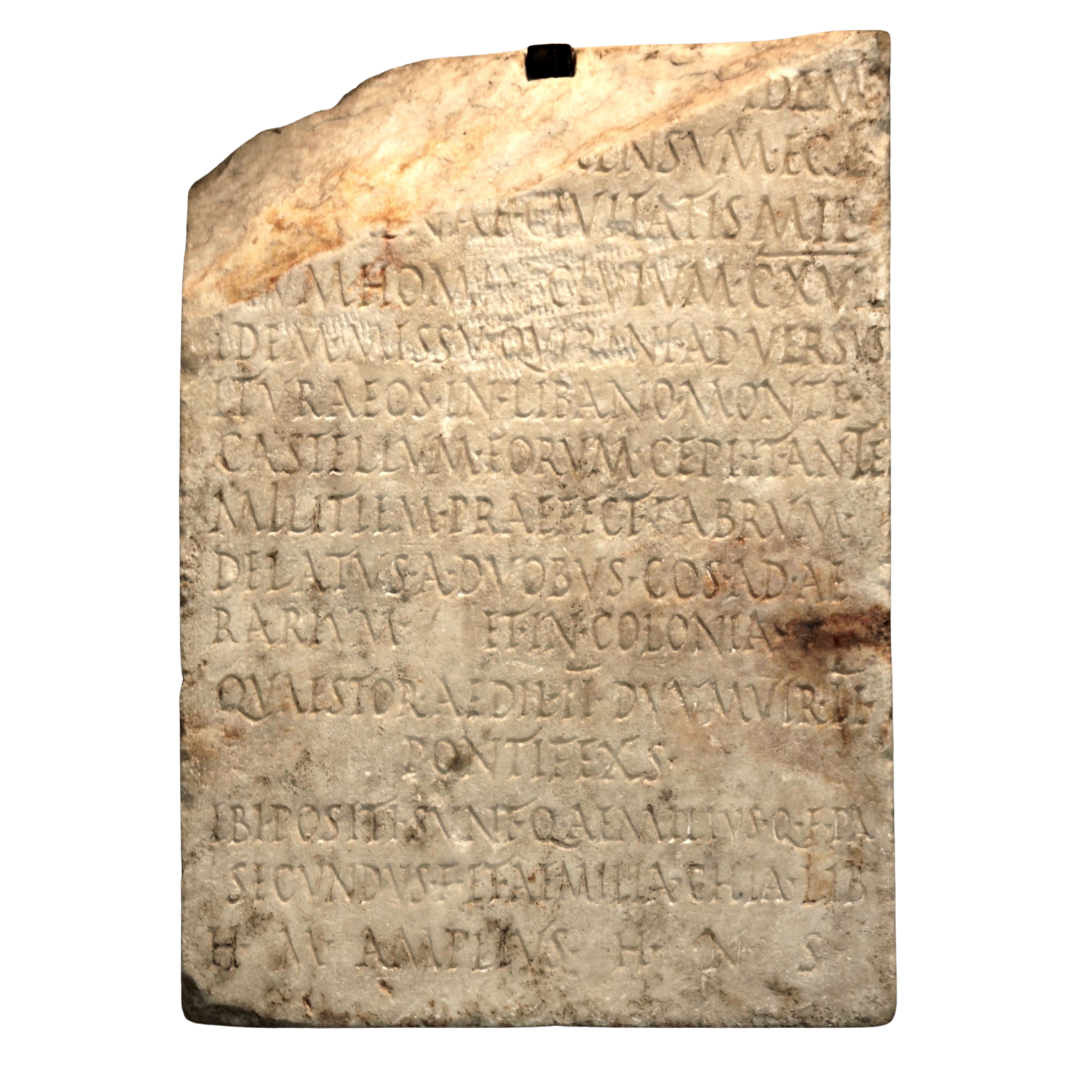
References to Quirinius have been found in numerous places outside the book of Luke, including one important reference on an ancient tombstone epitaph of a Roman military officer, Quintus Aemilius Secundus. Secundus served under the legate and former consul under Quirinius in Syria.
Side Note: Ranks and Responsibilities of Roman Government “Foreign Office” Officials
According to Tertullian, the Roman census around the birth of Jesus was taken by Saturninus, Legatus Augusti pro Praetore, who was both the head of the provincial administration, chief judicial officer, and commander-in-chief of all military forces based in the province of Syria from about 9 to 6 BC.
Quirinius was probably the Legatus Legionis in Syria Province, commanding at least three legions in the area at this time, which agrees with his portrayal as legate and military commander in the epitaph. Incidentally, officials of this rank often received large rewards at the end of a successful campaign, which made the position a lucrative one. Thus, it is no surprise that this assignment would be attractive to an experienced and effective administrator like Quirinius.
Continued
The text of Secundus’ epitaph mentions that Secundus was “in the service of the Divine Augustus,” and “under Publius Sulpicius Quirinius the legate of Caesar,” and various other titles. The epitaph also states that Secundus conducted a census of the region of Apamene, Syria by order of the legate Quirinius. The census mentioned in the epitaph simply does not line up with a regional tax assessment and acquisition of money from the deposed Herod Archelaus in Syria and Judaea, even though such an assessment was carried out by Quirinius and Coponius, as the Roman historian Josephus recorded. Instead, the census in this inscription was not a localized tax assessment. It more logically connects to the earlier empire-wide census ordered in about 8 BC.
That census was thoroughly documented in Res Gestae Divi Augusti (the Deeds of the Divine Augustus) which, remarkably, has survived and been preserved almost entirely intact in in monumental stone inscriptions discovered at Ancyra, Apollonia, and Pisidian Antioch. Luke refers to the census of the whole Empire (connected with Quirinius) as the “first” census, while a second and later census was referred to in Acts. The Quintus Aemilius Secundus inscription states that the census was under the authority of the military, ordered by a legate and carried out by officers at the local level.
Summary
Since it was Roman protocol for the military to conduct and oversee the census, it is logical that Luke would associate Quirinius the military commander with the census. Furthermore, since the census mentioned in this inscription was orchestrated and conducted by Quirinius, it would be fair to say that the census of the Empire was ordered by Augustus, with Quirinius running the operation from his headquarters in Syria, as Luke recorded in relation to the birth of Jesus.